Blog
Study tips, civics background, and news helpful for the U.S. citizenship test.
Constitution Day: Why September 17 Matters on the Civics Test
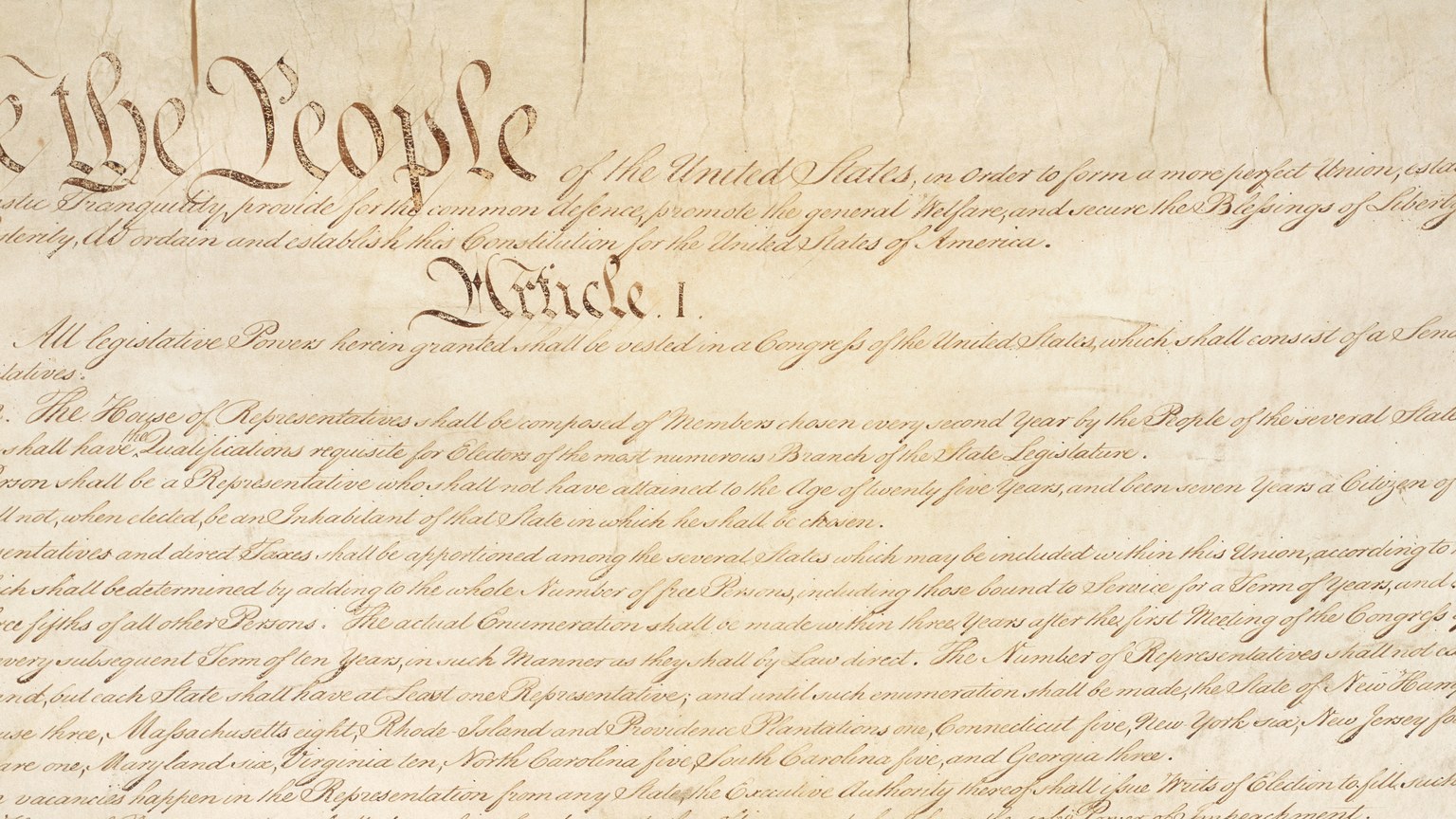
Constitution Day is September 17 — the anniversary of the day delegates signed the U.S. Constitution in Philadelphia in 1787. That date is more than a calendar note for people studying for citizenship: it points straight at one of the most important answers on the civics test. The founding document written in 1787 On the 2025 Naturalization Civics Test, you may be asked: What founding document was written in 1787?
USCIS Public Charge Guidance Takes Effect September 18, 2026
On August 18, 2026, U.S. Citizenship and Immigration Services (USCIS) issued Policy Alert PA-2026-09 , Public Charge Ground of Inadmissibility. The alert explains how officers will decide whether someone applying for adjustment of status (a green card through Form I-485) is likely at any time to become a public charge. The guidance is effective September 18, 2026, and applies to Forms I-485 that are postmarked or electronically submitted on or after that date.
USCIS Restores Nonprofit Voter Registration at Naturalization Ceremonies
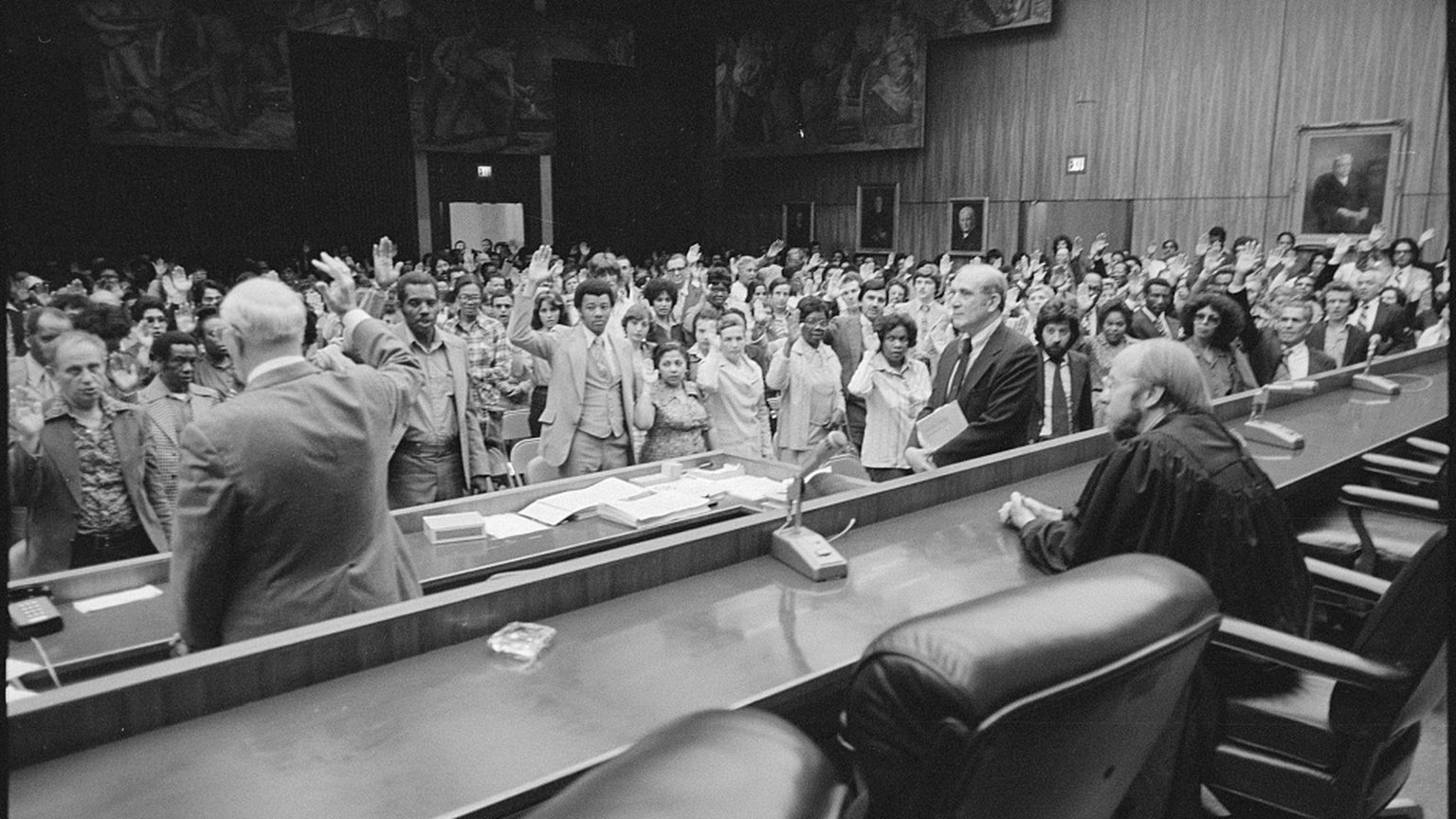
On August 31, 2026, U.S. Citizenship and Immigration Services (USCIS) published Policy Alert PA-2026-11 , Non-Governmental, Nonpartisan Organization Voter Registration Services at Administrative Naturalization Ceremonies. The update rescinds the August 29, 2025 policy (PA-2025-21) and restores Policy Manual guidance that lets nonprofit, nonpartisan non-governmental organizations help new citizens register to vote right after an administrative oath ceremony — when state or local election offices are not there to do it.
USCIS Plans Proposed Rule on Naturalization Educational Standards
The Spring 2026 Unified Agenda lists a planned proposed rule from the Department of Homeland Security (DHS) / U.S. Citizenship and Immigration Services (USCIS): RIN 1615-AD13 , Protecting the Integrity of Naturalization through Enhanced Educational Standards. It is marked Other Significant and is in the Proposed Rule Stage. An NPRM (Notice of Proposed Rulemaking) is tentatively scheduled for December 2026 (12/00/2026 on the agenda timetable). Nothing about this agenda item has changed the naturalization test for applicants today.

USCIS Brings Back Neighborhood Investigations for Naturalization
On August 25, 2026, U.S. Citizenship and Immigration Services (USCIS) published Policy Alert PA-2026-10 , Investigations and Examinations for Naturalization Eligibility. The update puts neighborhood investigations (also called personal investigations under INA 335(a) ) back into the Policy Manual as a regular part of checking who qualifies for U.S. citizenship. What changed For many years, USCIS largely waived neighborhood investigations and relied on fingerprint and security checks. The new guidance ends that general waiver.

What the Bill of Rights Protects
What does the Bill of Rights protect? On the 2025 civics test, that question has a clear answer: the basic rights of Americans — and of people living in the United States. The Bill of Rights is the first ten amendments to the U.S. Constitution. It was added soon after the Constitution was ratified because many Americans wanted written guarantees that the new federal government could not take away fundamental freedoms.

Which countries have the largest number of dogs in the world?
In the dim and distant past, when cave paintings were considered avant-garde and mammoth fur was the height of fashion, dogs and humans embarked on a journey of friendship that would put any modern-day buddy movie to shame. Picture this: a group of early humans sitting around a fire, trying to figure out how to upgrade their living from “surviving” to “thriving,” when a wolf casually strolls into camp. The wolf, let’s call him “Fido,” had a lightbulb moment (which was impressive, given that lightbulbs were a good few millennia away).

What are the reasons colonists came to America?
Religious Freedom Pilgrims and the Mayflower Compact: The Pilgrims, seeking religious freedom, sailed aboard the Mayflower in 1620. Upon arrival, they drafted the Mayflower Compact , a pioneering document that established self-government based on majority rule. This agreement underlined their commitment to live in harmony and abide by laws of their own making, reflecting their desire for a society where they could practice their religion freely. Huguenots: French Protestants, known as Huguenots, fled France due to religious persecution following the Revocation of the Edict of Nantes in 1685.
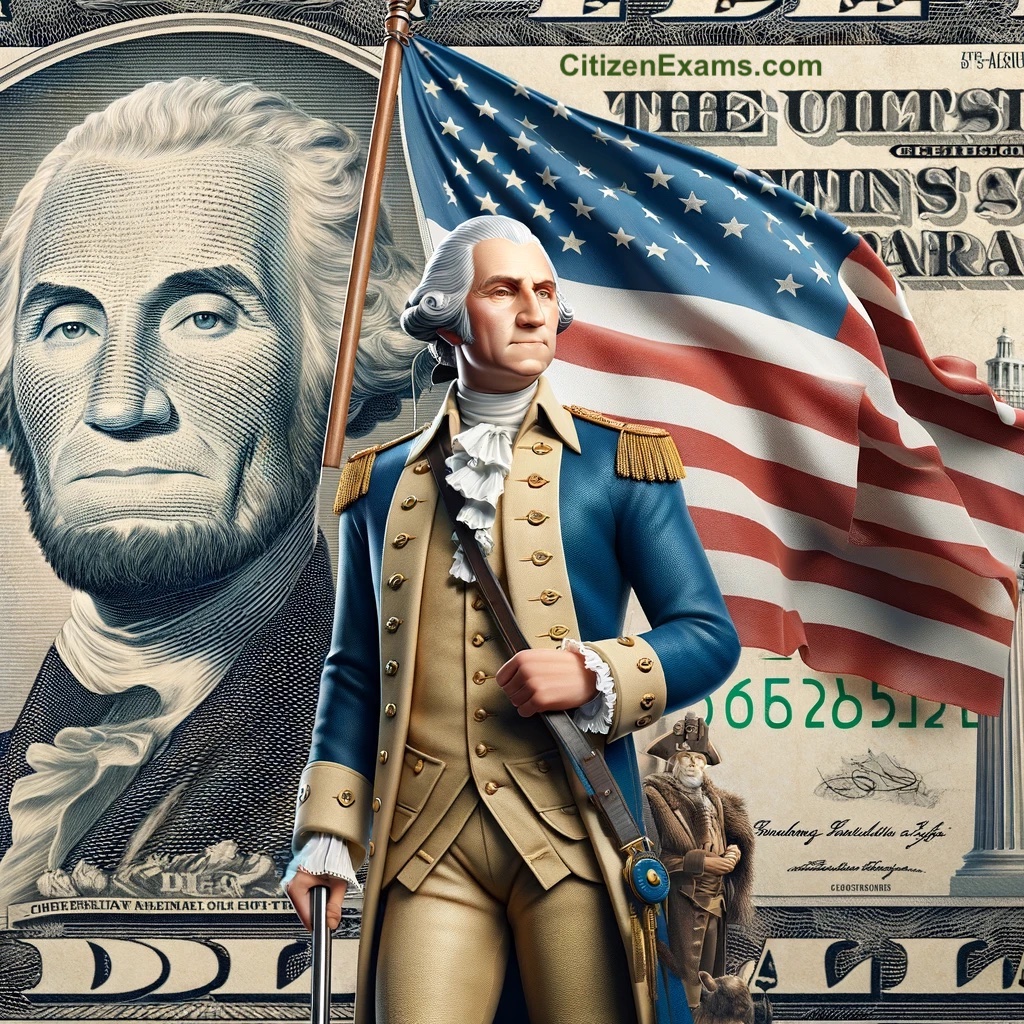
Presidents' Day: More Than Just a Mattress Sale 🎩🎂
Presidents’ Day, once known as Washington’s Birthday🎉, has shed its single-president focus and morphed into a more inclusive celebration. While originally tied to George Washington’s February 22nd birthdate, the Uniform Monday Holiday Act of 1971 conveniently shifted it to the third Monday of February, prioritizing long weekends over historical accuracy. This holiday sees different states honoring varying presidents alongside Washington. While some stick to the Founding Father 🇺🇸, others include Lincoln or even create their own unique combinations.
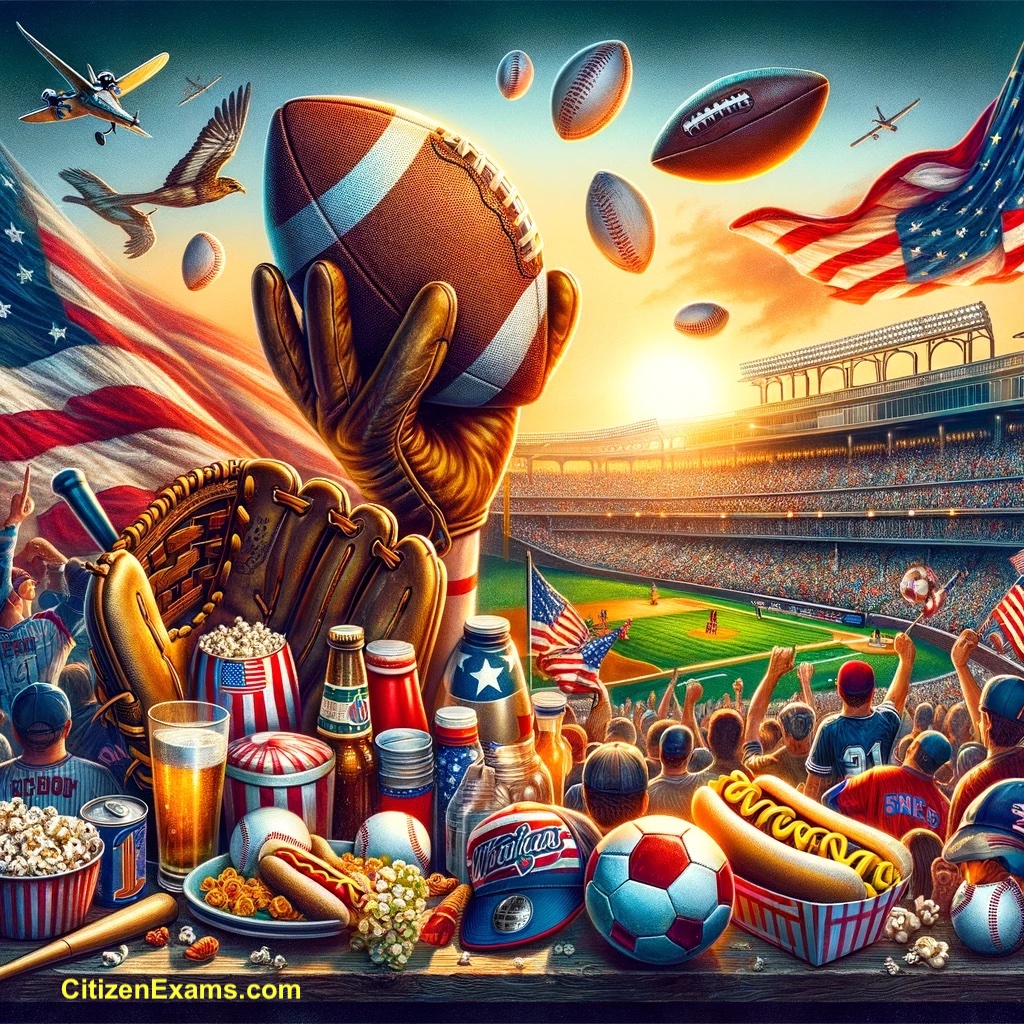
The All-American Game: Why Football and Baseball Rule the US
Forget soccer’s global domination – in the US, we sing a different tune. Football and baseball hold court, undisputed kings of our sporting landscape. It’s less a matter of “why” and more a deeply woven cultural tapestry. First, consider baseball, America’s Pastime. More than just a sport, it’s a nostalgic touchstone, evoking memories of simpler times (even if reality was often complex). Like a hot dog past its prime, it’s comforting, familiar, and uniquely American.

America's grace and beauty
“I look forward to an America which will not be afraid of grace and beauty,” – John F. Kennedy In his foresightful address at Amherst College in 1963, John F. Kennedy envisioned an America unafraid to celebrate grace and beauty. Yet, today, we find ourselves further from Kennedy’s ideal than ever before. In a society increasingly valuing conformity and mediocrity, the pursuit of excellence, whether in art, thought, or achievement, faces diminishing esteem.
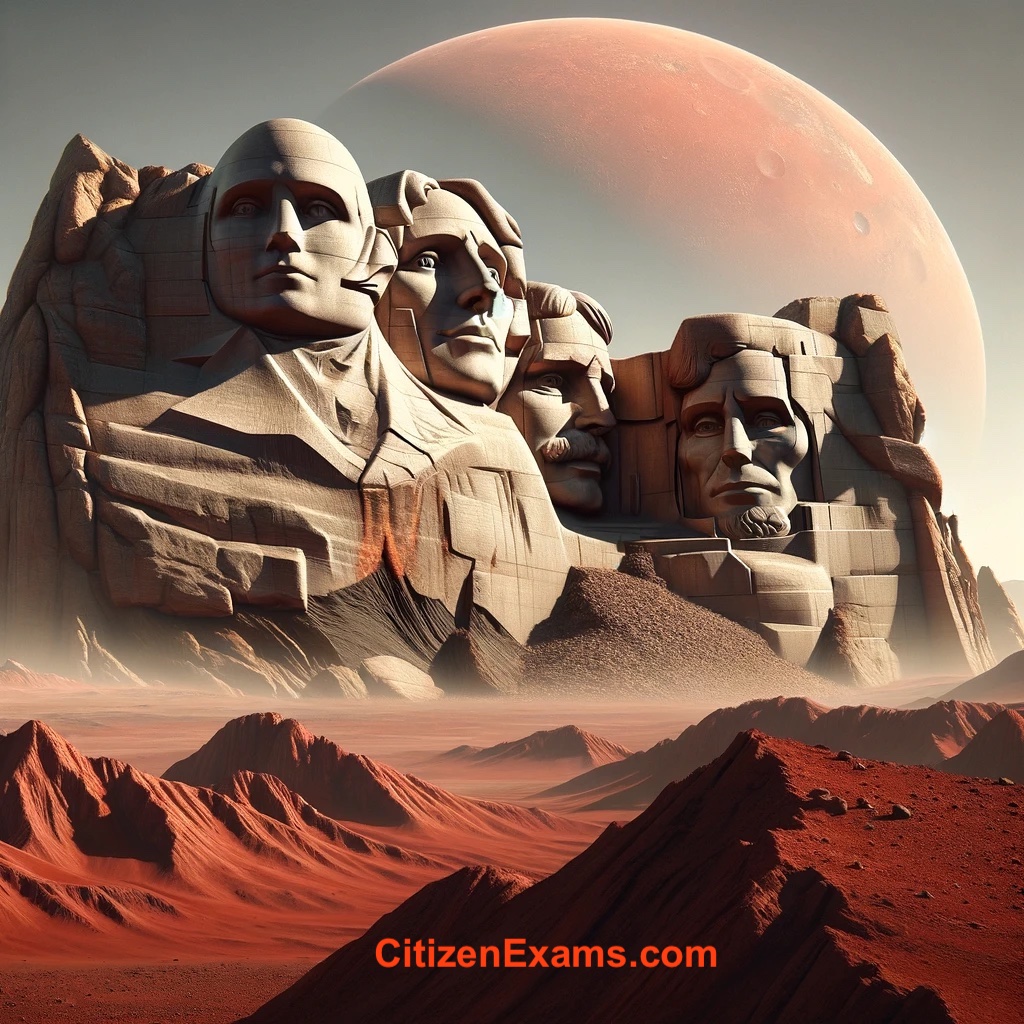
US Presidents
Embarking on a historical journey through the corridors of American leadership, the table below presents a curated procession of individuals who have held the nation’s highest office. This collection is more than a mere enumeration; it is a chronicle of ambition, ideology, and the ever-evolving narrative of the United States. From the foundational days of George Washington, without a party to call his own, to the modern era’s complex political landscape, each entry encapsulates a chapter of the American story.
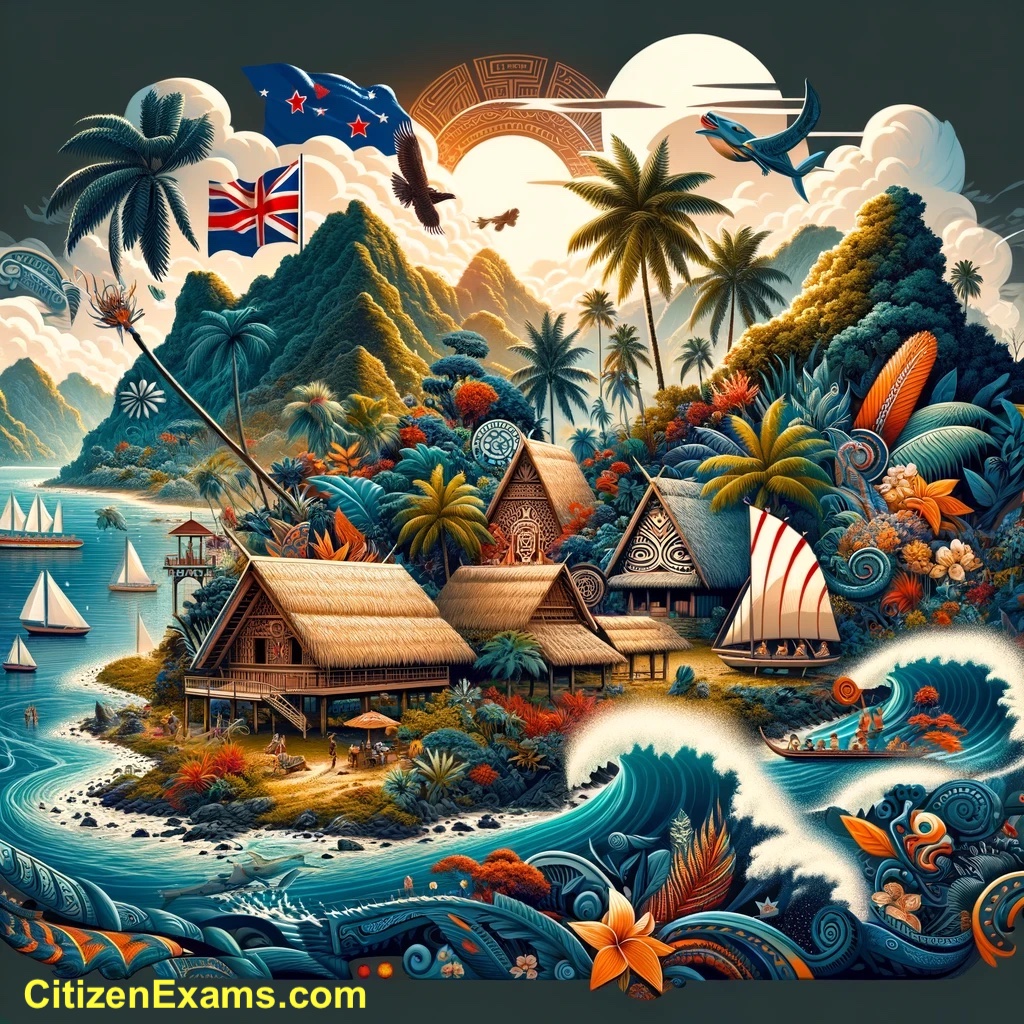
US Territories
The United States might be known for its 50 states, but its family portrait includes five unique territories, each with its own story. Puerto Rico 🇵🇷, nestled in the Caribbean, is a vibrant blend of Spanish, African, and Taino cultures, famous for its enchanting beaches 🏖️, lush El Yunque National Forest 🌳, and the historic charm of Old San Juan 🏰. It became a U.S. territory following the Spanish-American War in 1898.

Louisiana Purchase
What territory did the United States buy from France in 1803❓ In the early 1800s, the young United States had its eyes on a prize: the bustling port of New Orleans and the mighty Mississippi River 🌊, vital arteries for trade and transport. President Thomas Jefferson’s goal was modest—secure these crucial assets. Little did he know, his envoys would soon embark on a deal that would double the nation’s size.
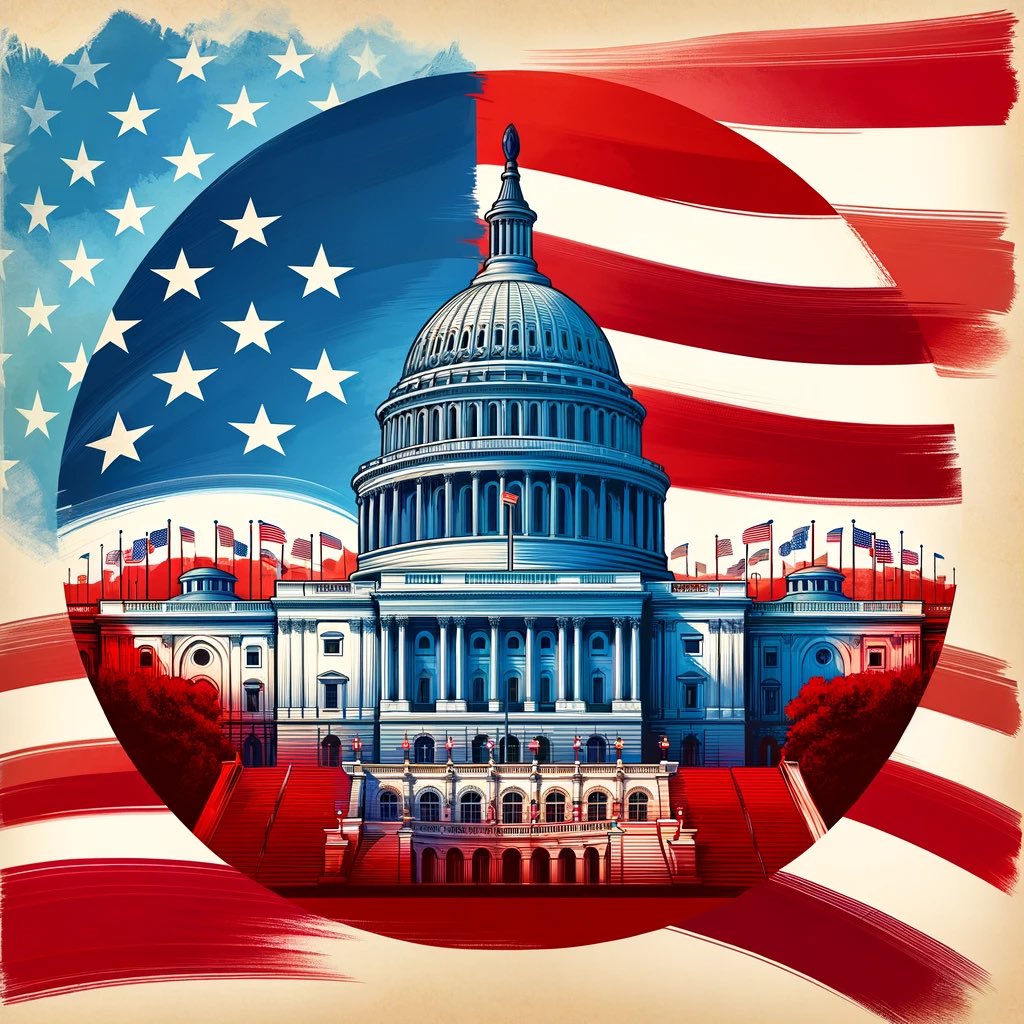
United States Capitol
United States Capitol is the home of the legislative branch of the US Government that consist of the Senate and House of Representatives. The Capitol has been burned, rebuilt, extended, and restored since its initial construction. In 1814, British forces invaded Washington, D.C., and set fire to many government buildings, including the Capitol. The building was significantly damaged, with the House of Representatives’ wing and the Library of Congress being destroyed.
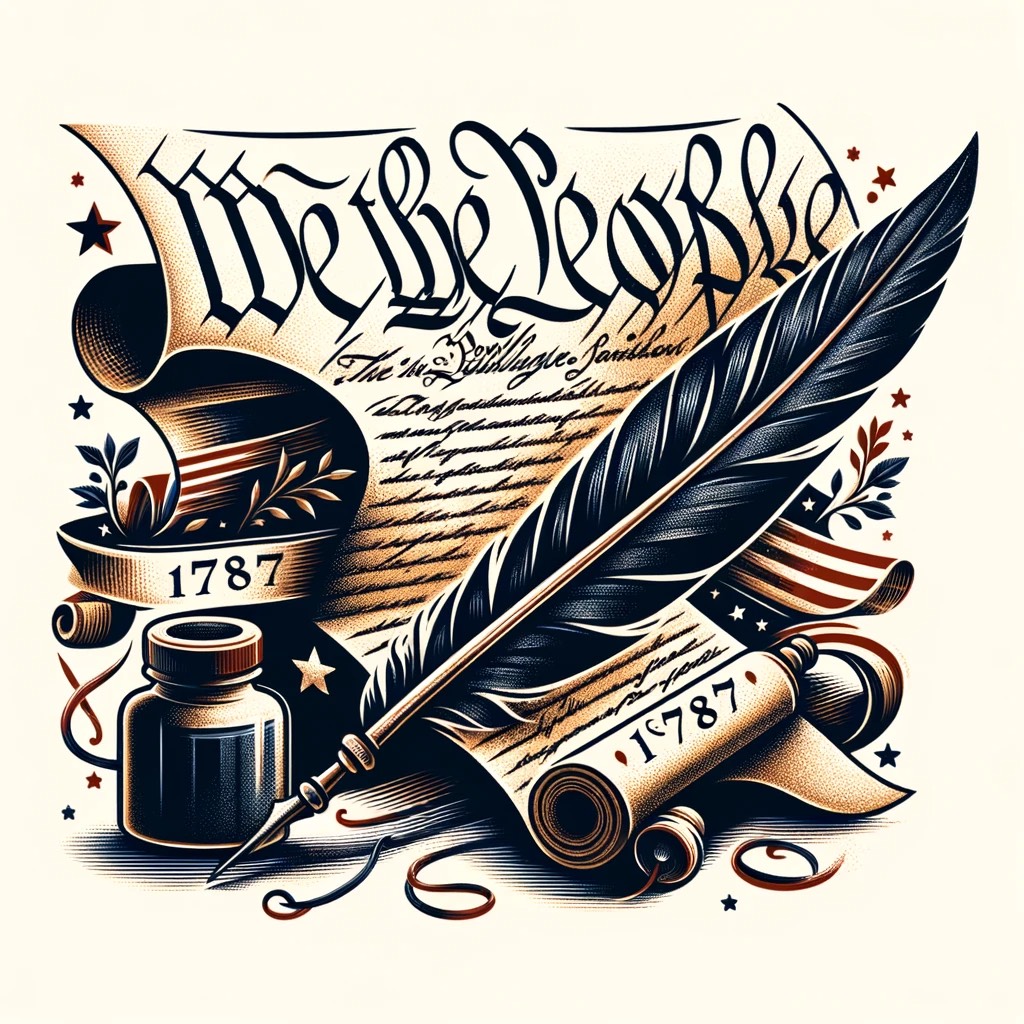
How the constitution was written
We all know that the Constitution was written in 1787. However, lesser-known fact about the drafting of the U.S. Constitution involves the actual physical writing of the document. While James Madison is often credited with penning the Constitution due to his substantial contributions to its content, the task of physically writing out the final document was given to Jacob Shallus, an assistant clerk for the Pennsylvania State Assembly. Shallus was engaged to engross the document — that is, to transcribe the final agreed-upon text in a clear, large hand onto parchment — a task for which he was paid the sum of $30 (a significant amount at the time).
Post hero images — uniqueness rules MUST before shipping any news or evergreen post hero: Prefer a topic-matched unique public-domain / U.S. government photo (NARA, Library of Congress, NPS, White House, Architect of the Capitol, USCIS, DVIDS). Crop hard landscape ~16:9 or 3:2 (typical hero size 1536×864). No watermarks or burned-in text; one subject/scene. Never reuse a ceremony, stock, or landscape photo that already appears as another post’s hero — even if re-encoded or lightly cropped.