Civil War, Abraham Lincoln, and the Emancipation Proclamation on the 2025 Civics Test
The 1800s block on the 2025 Naturalization Civics Test often clusters around the Civil War: the war between the North and the South, important events (including Gettysburg and the Emancipation Proclamation), what Abraham Lincoln is famous for, and which war ended slavery. Learn this chain once and you cover Q91 –Q96 .
Name one war fought by the United States in the 1800s
Accepted answers include:
- War of 1812
- Mexican-American War
- Civil War
- Spanish-American War
Any one is enough. Civil War is the answer that unlocks the next several questions, so many applicants keep it ready.
The war between the North and the South
Name the U.S. war between the North and the South? Accepted answer:
- The Civil War
Short and exact: the Civil War.
One important Civil War event
The Civil War had many important events. Name one. Accepted answers include:
- (Battle of) Fort Sumter
- Emancipation Proclamation
- (Battle of) Vicksburg
- (Battle of) Gettysburg
- Sherman’s March
- (Surrender at) Appomattox
- (Battle of) Antietam/Sharpsburg
- Lincoln was assassinated.
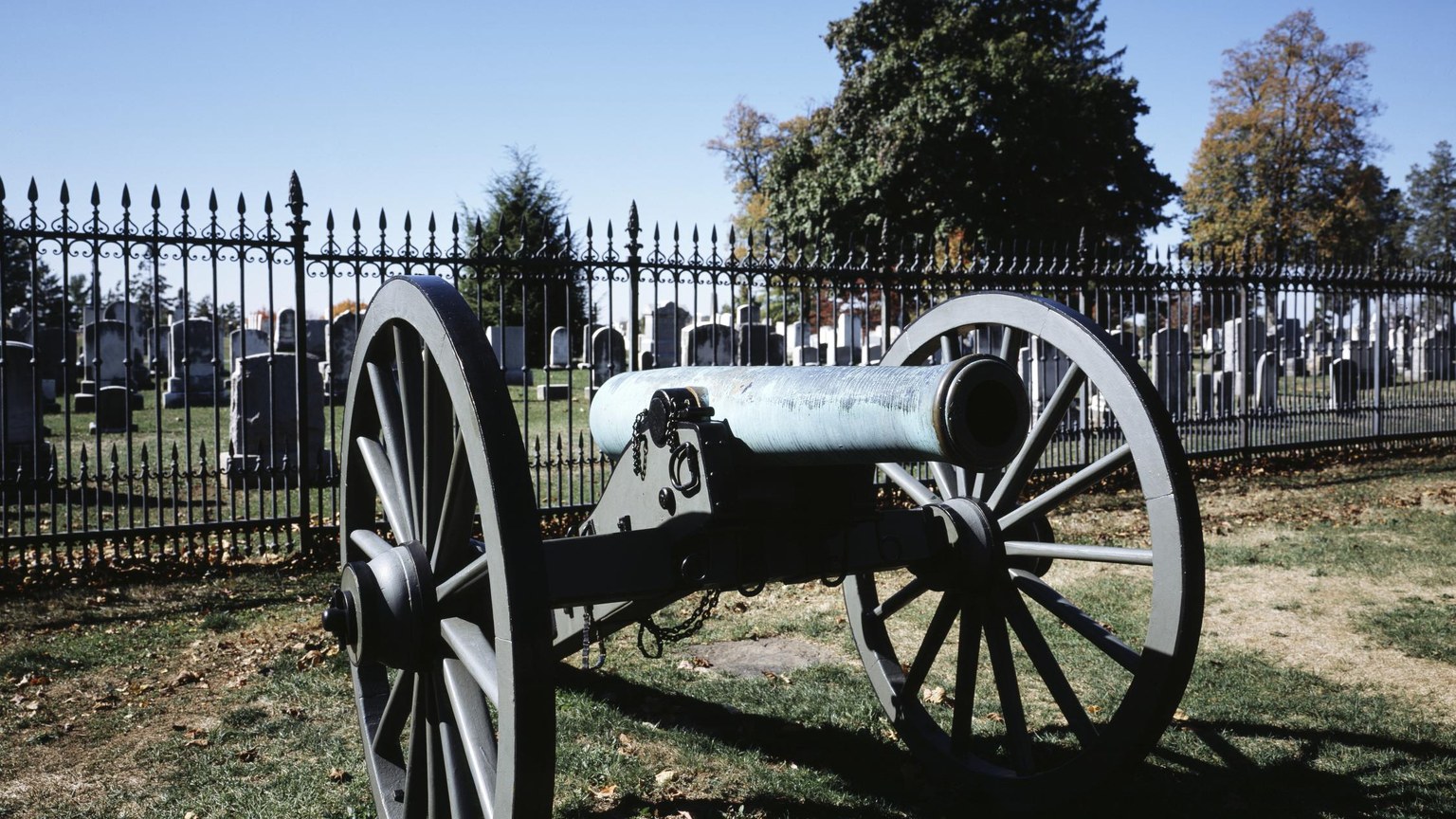
Safe picks many people use: Gettysburg, Emancipation Proclamation, or Appomattox. The hero photo above is Gettysburg National Cemetery — the ground Lincoln later honored in the Gettysburg Address (you do not need to recite the Address on test day).
Abraham Lincoln — name one thing he is famous for
Accepted answers include:
- Freed the slaves (Emancipation Proclamation)
- Saved (or preserved) the Union
- Led the United States during the Civil War
- 16th president of the United States
- Delivered the Gettysburg Address
Any one works. A clean short answer: freed the slaves / Emancipation Proclamation, or led the United States during the Civil War.
What did the Emancipation Proclamation do?
Accepted answers include:
- Freed the slaves
- Freed slaves in the Confederacy
- Freed slaves in the Confederate states
- Freed slaves in most Southern states
Keep it simple: freed the slaves (or freed slaves in the Confederacy).
What U.S. war ended slavery?
Accepted answer:
- The Civil War
That closes the loop: Civil War → Lincoln → Emancipation Proclamation → Civil War ended slavery.
How this shows up on test day
Think in a short chain:
- War in the 1800s? → Civil War (or another accepted 1800s war)
- War between North and South? → the Civil War
- One Civil War event? → Gettysburg / Emancipation Proclamation / Appomattox
- Lincoln famous for? → freed the slaves / led the U.S. during the Civil War / 16th president
- Emancipation Proclamation? → freed the slaves (in the Confederacy / Confederate states)
- War that ended slavery? → the Civil War
That pattern covers Q91 –Q96 . Nearby history (Q90 Louisiana Purchase, Q97 –Q98 14th/15th Amendment voting) sits in the same American History section if you want to keep drilling.
Your civics test has not changed
This is an evergreen study post, not a USCIS policy alert. Recent USCIS newsroom items (fraud cases, illegal-voting charges, and enforcement actions) do not rewrite these answers. The 2025 Naturalization Civics Test is unchanged: a 128-question bank; up to 20 questions at the interview; 12 correct to pass, for Form N-400 filed on or after October 20, 2025. Dynamic officials (President, Vice President, Speaker, Chief Justice) still follow USCIS Check for Test Updates — they do not change Civil War or Lincoln answers above.
Study these related questions
- American History — the full civics block for this topic
- Louisiana Purchase — the 1803 territory question next to the 1800s wars
- Presidents — broader presidential study context
- Free scored practice test — drill Civil War, Lincoln, and Emancipation until the answers feel automatic
- Browse the full question list when you want one topic at a time
Tip: if the officer asks for the war between the North and the South, say the Civil War. If they ask what the Emancipation Proclamation did, say freed the slaves. If they ask which war ended slavery, say the Civil War.
This post summarizes public USCIS civics materials for educational study. It is not legal advice.