First Amendment Five Freedoms on the 2025 Civics Test
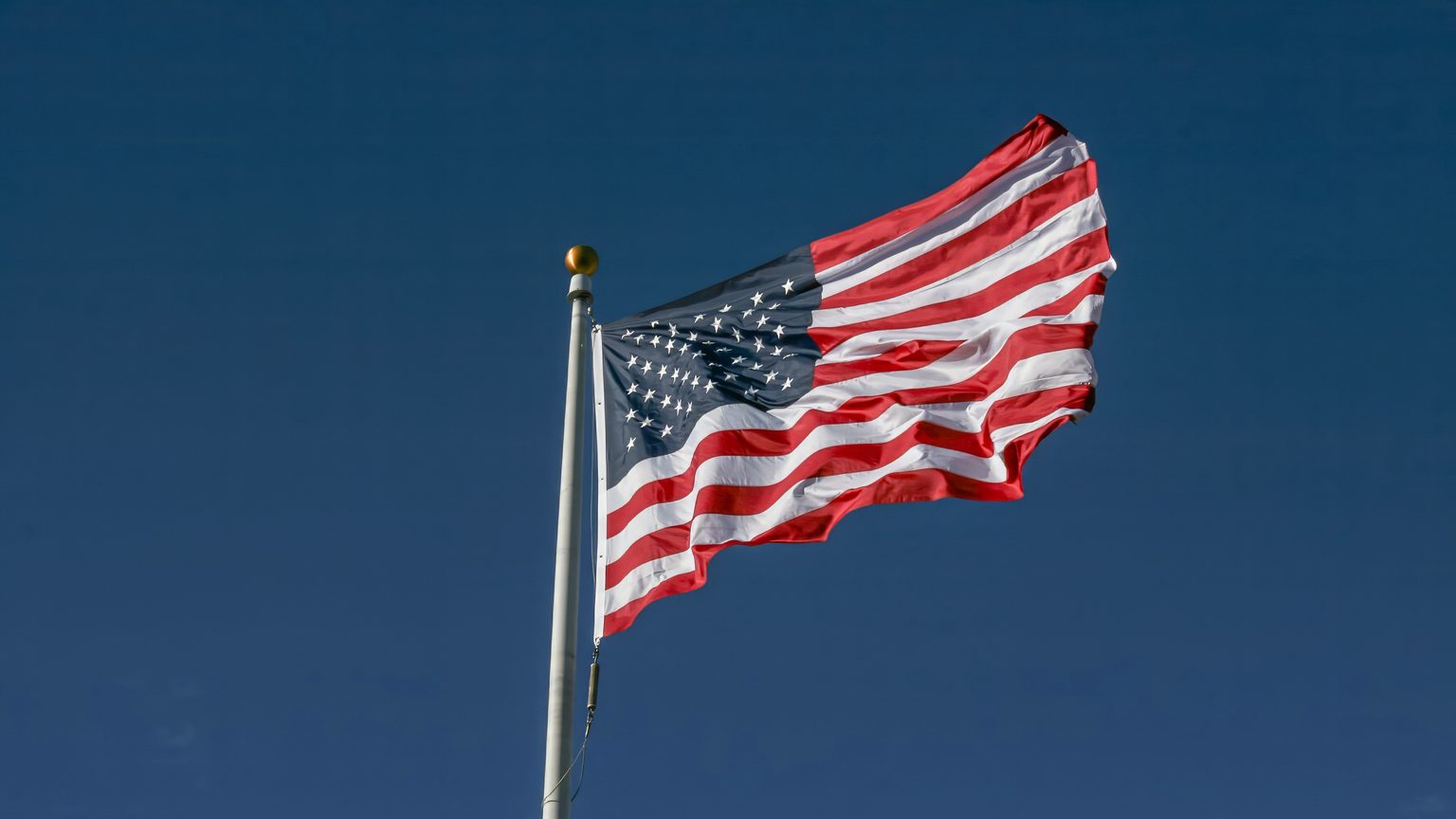
The First Amendment protects five famous freedoms: speech, religion, the press, assembly, and petition. On the older 2008 civics test, officers often asked for one right from the First Amendment. On the 2025 128-question test, those same freedoms show up most clearly in Q65 (What are three rights of everyone living in the United States?), next to Q6 on the Bill of Rights. Learn the five freedoms once, and you cover a whole cluster of questions.
The answers USCIS accepts
| Question | Accepted answers (any that fit the ask) |
|---|---|
| Q65. What are three rights of everyone living in the United States? | Freedom of expression · Freedom of speech · Freedom of assembly · Freedom to petition the government · Freedom of religion · The right to bear arms |
| Q6. What does the Bill of Rights protect? | (The basic) rights of Americans · (The basic) rights of people living in the United States |
| Q5. How are changes made to the U.S. Constitution? | Amendments · The amendment process |
| Q7. How many amendments does the U.S. Constitution have? | Twenty-seven (27) |
Q65 asks for three rights. Four of the six accepted answers are classic First Amendment ideas (speech, assembly, petition, religion). Freedom of expression is a broader label that covers speech and related freedoms. The right to bear arms is from the Second Amendment — also accepted, but don’t mix it into a “First Amendment only” list if the officer frames the question that way.
The five freedoms, in plain language
The First Amendment is the first of the ten amendments in the Bill of Rights. In short form, it protects:
- Freedom of speech — You can say what you think without the government punishing you for the viewpoint alone (with well-known limits such as true threats or incitement that are beyond the civics test).
- Freedom of religion — You can practice your faith, or no faith, and the government may not establish an official religion.
- Freedom of the press — News organizations and publishers can report and criticize without prior government control.
- Freedom of assembly — People can gather peacefully, including for protests and meetings.
- Freedom to petition the government — You can ask the government to fix a problem (letters, petitions, contacting elected officials).
A useful memory line many applicants use: RAPPS — Religion, Assembly, Press, Petition, Speech. Say the five out loud until they feel automatic.
How this connects to the Bill of Rights (Q6)
Q6 does not ask you to list the First Amendment. It asks what the Bill of Rights protects. The accepted short answers are about basic rights of Americans and of people living in the United States. The First Amendment is the best-known part of that package, but the Bill of Rights is the first ten amendments as a whole. For more on that framing, see What the Bill of Rights Protects.
Nearby: Q5 (how the Constitution is changed — amendments) and Q7 (27 amendments total). If you want the amendment process in more detail, see How Amendments Are Made when that cluster comes up in practice.
Rights of “everyone” vs. rights of citizens
Q65 says everyone living in the United States — not only citizens. That is why speech, religion, assembly, and petition appear here. Separate questions cover rights and duties that are mainly for citizens, such as voting in federal elections (Q64). Don’t answer Q65 with “vote” or “run for office”; those belong with citizen-focused items and civic participation.
Test-day traps
- Don’t stop at one freedom on Q65. The question asks for three. Have three ready: for example, speech, religion, and assembly.
- Don’t invent wording. Stick to the USCIS list: freedom of speech, freedom of religion, freedom of assembly, freedom to petition the government, freedom of expression.
- Don’t confuse Q6 and Q65. Q6 → basic rights (Bill of Rights). Q65 → name three specific rights from the list.
- “Press” is still a First Amendment freedom even if Q65’s printed answer list emphasizes speech, expression, assembly, petition, and religion. Knowing all five keeps you flexible if the officer asks in First Amendment language.
60-second drill
Say each line out loud:
- Name the five First Amendment freedoms. → Speech, religion, press, assembly, petition.
- Q65 — give three rights of everyone living in the U.S. → Freedom of speech, freedom of religion, freedom of assembly. (Any three from the accepted list.)
- What does the Bill of Rights protect? → The basic rights of Americans (or of people living in the United States).
- How many amendments does the Constitution have? → Twenty-seven.
- How are changes made to the Constitution? → Amendments / the amendment process.
Then practice the Rights and Responsibilities section, take a free practice test, or hear the answers in Listen mode. For related study, see citizen rights and responsibilities and equality, liberty, and the rule of law.
Sources: USCIS, 2025 Civics Test 128 questions and answers (Q5–Q7, Q64–Q65), as used on CitizenExams; U.S. Constitution, First Amendment and Bill of Rights (Amendments 1–10). Photo: JayCubby, via Wikimedia Commons (CC BY 4.0).
CitizenExams is an independent study site and is not affiliated with USCIS.