Green Card Holders Charged With Illegal Voting: What It Means for Your N-400
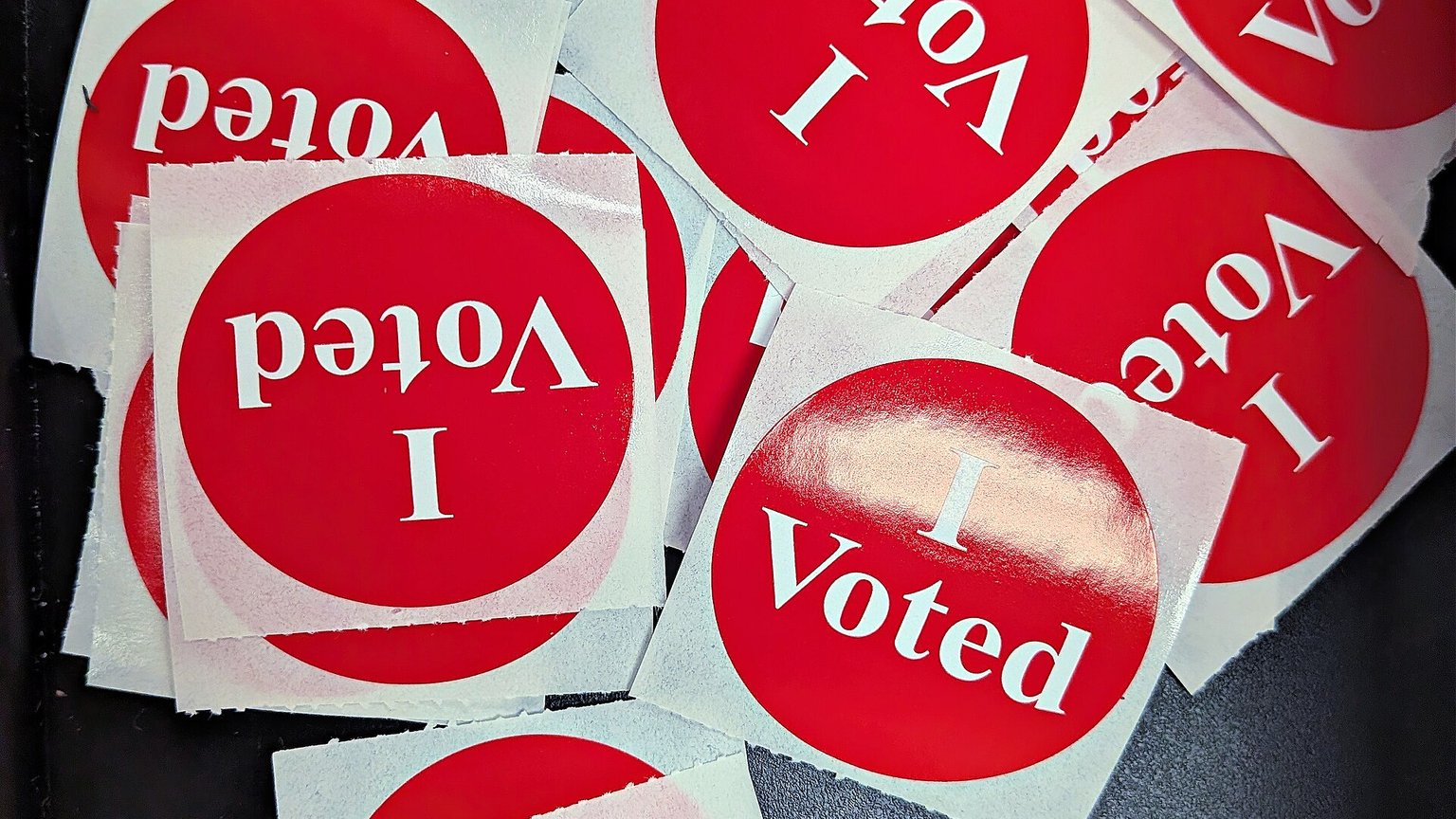
Two weeks before the November 3 midterms, federal prosecutors announced voting charges against 29 lawful permanent residents in two days. Many are also accused of lying about it on their citizenship applications. If you hold a green card and plan to apply for citizenship, or have already applied, these cases show how USCIS handles one of the most serious problems that can come up in a naturalization case.
What was announced
- October 19, 2026 (California). The Justice Department charged 28 green card holders across all four federal districts in California, and 11 were arrested that day. According to DOJ, the defendants said they were U.S. citizens on voter registration applications, many then voted, and several later stated on naturalization paperwork that they had never claimed citizenship, registered, or voted. The charges include false statements in a naturalization application and fraudulent voter registration, both felonies with a maximum of five years in prison, and voting by an alien in a federal election, a misdemeanor with a maximum of one year.
- October 20, 2026 (Kentucky). USCIS announced that a federal grand jury in Louisville indicted a 59-year-old Canadian national on a charge of illegal voting by an alien in a federal election. DOJ describes her as a lawful permanent resident. The maximum sentence is one year. USCIS assisted the investigation.
These are accusations only. Every defendant is presumed innocent unless proven guilty in court.
The California charges are also part of a larger political fight. DOJ says all 28 defendants are on a list of more than 20,000 “likely noncitizen registrants” that it gave California officials on October 13, and it has sued the state to have those ballots set aside. California’s Democratic leaders say the federal government is trying to sow fear and intimidate voters. California has also acknowledged in the past that some people were registered by mistake through the DMV. This post doesn’t take a side in that dispute. It covers the rules that apply to your application.
The rule: only citizens vote in federal elections
You’ll be asked this on the 2025 civics test.
Q64. Who can vote in federal elections, run for federal office, and serve on a jury in the United States? Citizens (citizens of the United States; U.S. citizens).
A green card gives you the right to live and work in the U.S. permanently. It does not give you the right to vote in federal elections. Under federal law (18 U.S.C. 611), voting in a federal election as a noncitizen is a crime. Claiming to be a citizen in order to register to vote is a separate crime (18 U.S.C. 1015(f)). Most state elections are limited to citizens too. A few cities let noncitizens vote in local elections only.
The two N-400 questions that matter
Part 9 of Form N-400 (edition 01/20/25) asks:
- “Have you EVER claimed to be a U.S. citizen (in writing or any other way)?”
- “Have you EVER registered to vote or voted in any Federal, state, or local election in the United States? If you lawfully voted only in a local election where aliens are eligible to vote, you may answer ‘No.’”
“EVER” means at any time, anywhere. Checking “Yes, I am a citizen” on a voter registration form counts as claiming to be a citizen, even if you never actually voted.
How USCIS treats a “yes”
The USCIS Policy Manual (Volume 12, Part F, Chapter 5) is direct about it:
- It can make you deportable, not just ineligible. USCIS may issue a Notice to Appear in immigration court to someone who falsely claimed citizenship to register or who voted unlawfully, and a criminal conviction is not required. Once removal proceedings start, USCIS generally denies the N-400.
- The DMV is not a safe harbor. USCIS treats answering “yes” to a citizenship question in order to register, including during a driver’s license or state ID application, as a false claim to U.S. citizenship. If you registered, it is up to you to show that the form didn’t ask about citizenship or that you didn’t answer “yes.”
- Not knowing the rule may not save you. For deportation purposes, the Board of Immigration Appeals has held that a false claim to citizenship can count even if it wasn’t made knowingly.
- There is one narrow exception. It applies only if both of your parents were U.S. citizens at the time, you lived permanently in the U.S. before age 16, and you reasonably believed you were a citizen.
- It can also block “good moral character.” Unlawful registration, unlawful voting, and knowing false claims to citizenship are listed as unlawful acts that can show a lack of good moral character during the statutory period (usually the 5 or 3 years before you apply, through your oath day).
Why lying on the N-400 makes it worse
In the California cases, many of the most serious charges are not about voting at all. They are about what people allegedly said afterward, on the N-400 or under oath at the interview. False testimony under oath to get an immigration benefit is its own bar to good moral character, and naturalization obtained by concealing facts can later be taken away. Officers can check voter rolls and election records, and they may ask for your voter registration card, the registration form, and your voting history.
What to do now
If you are not a citizen yet:
- Do not register or vote on November 3, even if a mailer, a ballot, or a well-meaning helper says you can. In one of the October 12 cases, DOJ says the defendant told investigators that the person who helped fill out her registration told her she could vote.
- If you got a voter registration card or a mail ballot you aren’t entitled to, don’t use it. Talk to a lawyer before you contact election officials, so that whatever you do helps your case.
If you ever registered or voted while you were not a citizen:
- Talk to an immigration attorney or a DOJ-accredited representative before you file an N-400 (or before your interview if you’ve already filed). This is not a do-it-yourself issue. Depending on the facts, filing could put you in removal proceedings.
- Never answer “No” to hide it. An honest “Yes” with an explanation and records is a hard situation. A false “No” can turn it into a federal crime.
- Collect what you have: the registration card, the DMV or registration form if you can get it, your voting record, and any request to be removed from the voter rolls. The Policy Manual says evidence of corrective steps, such as asking to be taken off the voter list, may be considered.
If you become a citizen before Election Day: you can vote once you’ve taken the Oath of Allegiance and registered by your state’s deadline. Vote.gov links to every state’s rules. Your Certificate of Naturalization is your proof.
Study the related civics questions
- Q64. Who can vote in federal elections, run for federal office, and serve on a jury? Citizens.
- Q63. There are four amendments to the Constitution about who can vote. Describe one of them. (For example: citizens 18 and older can vote; you don’t have to pay a poll tax to vote.) See Voting Amendments on the Civics Test.
- Citizen Rights and Responsibilities
- The November 3 Midterms and Your Civics Test
- Check yourself with the free scored civics practice test. The 5-question quick round takes about two minutes on a phone.
Sources: U.S. Department of Justice, Justice Department Charges 28 Foreign Nationals in California for Election Crimes (October 19, 2026); USCIS, Canadian Alien Charged with Illegal Voting (October 20, 2026); DOJ, Justice Department Announces Charges Involving 16 Individuals for Election Crimes (October 12, 2026); Sacramento Bee, Feds charge 28 California noncitizens with voter fraud ahead of midterm elections (October 19, 2026); USCIS Policy Manual, Vol. 12, Part F, Ch. 5; USCIS Form N-400, edition 01/20/25, Part 9. Photo: Funknendai, Wikimedia Commons, CC0.
CitizenExams is an independent study site and is not affiliated with USCIS. This post summarizes public government information for general education. It is not legal advice. If any of this applies to you, speak with a qualified immigration attorney or DOJ-accredited representative.