Can You Say "Affirm" Instead of "So Help Me God"? Oath of Allegiance Options at Your Ceremony
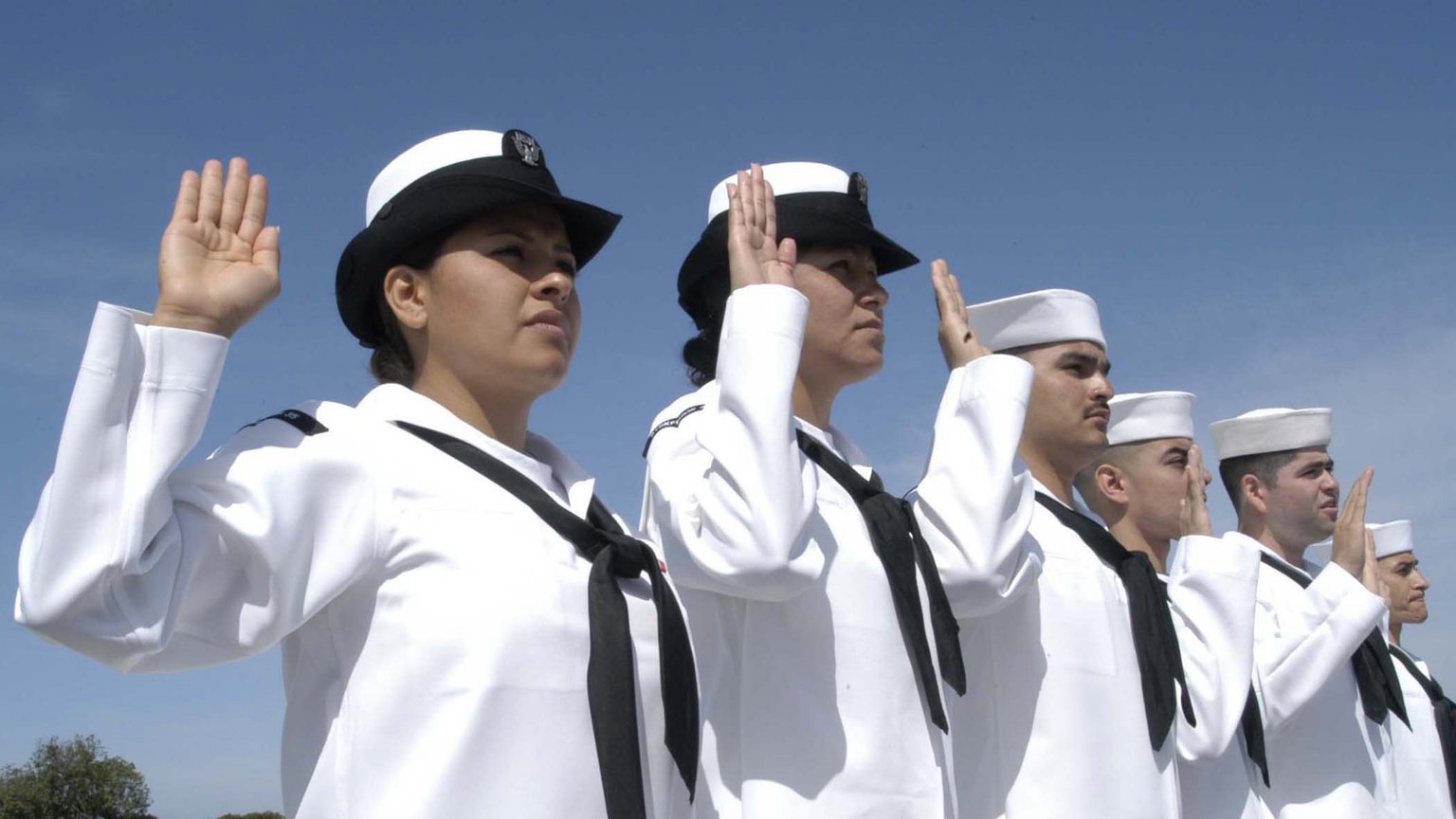
Yes. Anyone can take the Oath of Allegiance as an affirmation, without the words “so help me God,” and USCIS doesn’t ask why. The oath is the last step to citizenship, and the law gives you a few ways to take it that fit your beliefs or your health. Here is what they are, straight from the USCIS Policy Manual.
The full oath
This is the text in the regulations (8 CFR 337.1):
I hereby declare, on oath, that I absolutely and entirely renounce and abjure all allegiance and fidelity to any foreign prince, potentate, state, or sovereignty, of whom or which I have heretofore been a subject or citizen; that I will support and defend the Constitution and laws of the United States of America against all enemies, foreign and domestic; that I will bear true faith and allegiance to the same; that I will bear arms on behalf of the United States when required by the law; that I will perform noncombatant service in the Armed Forces of the United States when required by the law; that I will perform work of national importance under civilian direction when required by the law; and that I take this obligation freely, without any mental reservation or purpose of evasion; so help me God.
The oath is given in English at the ceremony, though USCIS allows an interpreter to interpret it for you if needed (what happens after your interview).
Option 1: An affirmation instead of an oath (no reason needed)
You can ask to:
- say “solemnly affirm” instead of “on oath,” and
- leave out “so help me God.”
The Policy Manual says USCIS grants this solely on your request. You don’t have to show it’s based on religion, and you don’t need documents or testimony. USCIS must not make you recite the parts you dropped. People choose it for many reasons, including religions that discourage swearing oaths, or no religious belief at all.
Option 2: Leaving out the military clauses (evidence needed)
You can ask to remove one or both of these clauses:
- to bear arms on behalf of the United States when required by law, and
- to perform noncombatant service in the U.S. armed forces when required by law.
This is a higher bar. You must show by clear and convincing evidence that you object because of religious training and belief, which can include a deeply held moral or ethical code. The Policy Manual’s three-part test asks whether:
- you are opposed to bearing arms, or to any service in the armed forces,
- the objection comes from religious principles or an equally deeply held moral or ethical code, and
- your belief is sincere, meaningful, and deeply held.
You don’t have to belong to a particular church. A letter from a religious group or a witness statement can help, but your own testimony may be enough. Objecting to one specific war, or objecting for political or practical reasons, does not qualify.
One clause can’t be removed: work of national importance under civilian direction. If you qualify, you say the shorter oath at the regular public ceremony.
The N-400 asks about these clauses, including whether you’re willing to bear arms and to do noncombatant service if the law requires it. Answer honestly. If you answer no, expect the officer to ask about your reasons at the interview, and the Policy Manual says officers should give you another chance to explain (for example, through a request for evidence) before denying a modification.
Option 3: An oath waiver (disability, or a child under 14)
USCIS can waive the oath entirely for someone who can’t understand or communicate an understanding of its meaning because of a physical or developmental disability or mental impairment. The request is usually made on Form N-648 or with a written evaluation by an authorized medical professional, often with help from a legal guardian or a close U.S. citizen family member. It can be requested any time up to the ceremony, and someone granted a waiver doesn’t need to attend a public ceremony.
USCIS also waives the oath for children under 14 who naturalize, and they receive a Certificate of Citizenship.
The oath waiver is separate from the N-648 exception to the English and civics tests (our guide to test exceptions).
How this shows up on the civics test
On the 2025 test, Q67 asks you to name two promises new citizens make in the Oath of Allegiance. Accepted answers include: give up loyalty to other countries, defend the Constitution, obey the laws of the United States, serve in the military (if needed), serve (help, do important work for) the nation (if needed), and be loyal to the United States. Every one of those answers comes from a phrase in the oath you just read, so reading it once makes Q67 easier to remember. Our Q67 study guide has memory tips.
Freedom of religion, one of the reasons the affirmation option exists, is also on the test as a First Amendment freedom (the Bill of Rights).
Practice before the big day
Say Q67 out loud a few times this week (why speaking helps), then take a free practice test: 20 questions, 12 correct to pass on the 2025 test.
Read next
- After the Civics Test: Approved, Continued or Denied? What Happens at the End of Your Naturalization Interview
- Oath of Allegiance Promises on the 2025 Civics Test (Q67)
- Traveling Abroad Before or After You File Form N-400
Sources: USCIS Policy Manual, Volume 12, Part J, Chapter 3 (Oath of Allegiance Modifications and Waivers); 8 CFR 337.1; USCIS 128 Civics Questions and Answers (2025 version), PDF. Image: U.S. Navy photo by Juan E. Diaz via Wikimedia Commons (public domain).
This post summarizes public USCIS information for general education. It is not legal advice. For questions about your own case, contact USCIS or a qualified immigration attorney or accredited representative.