The Supreme Court on the 2025 Civics Test
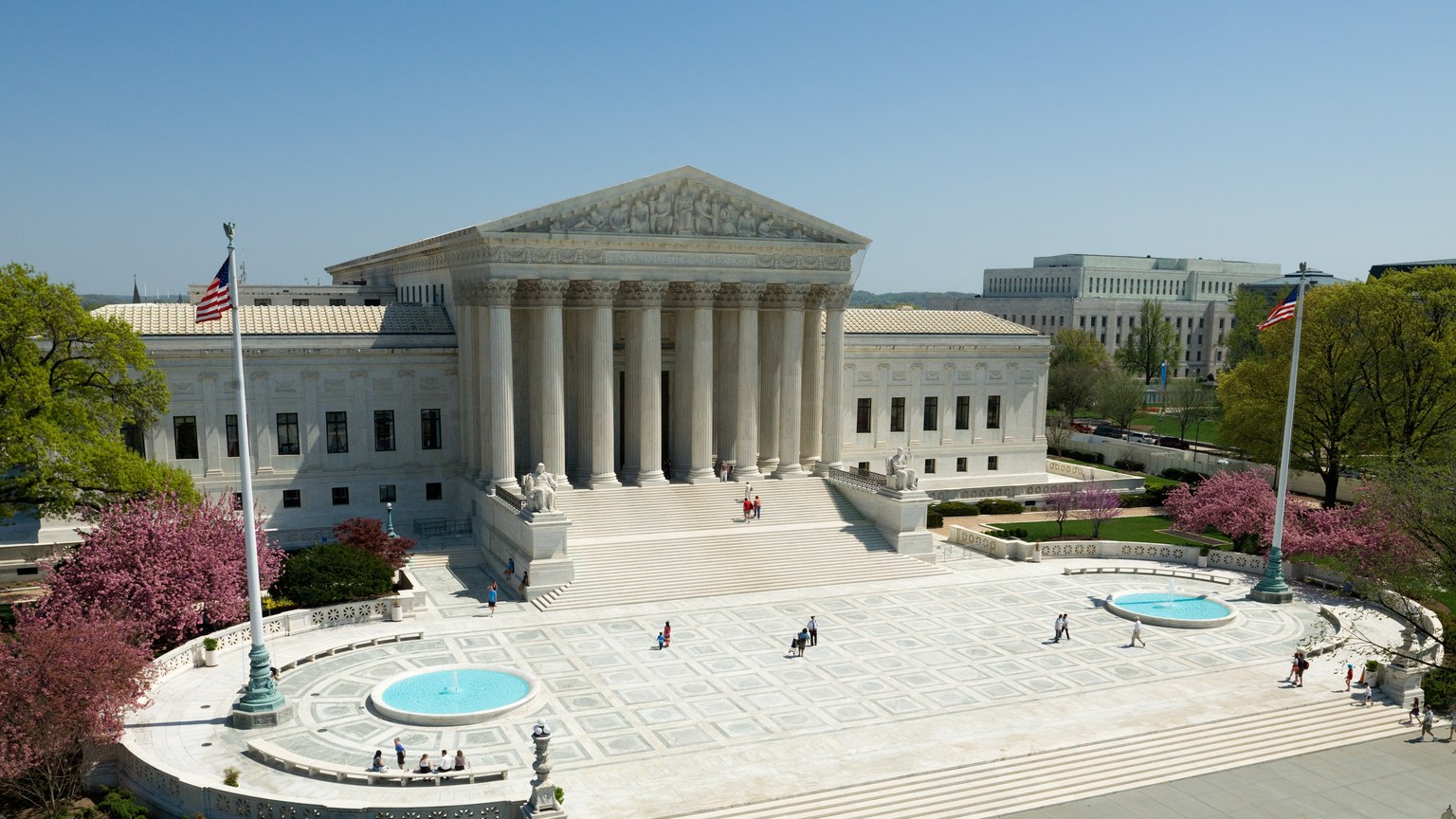
If you are studying for U.S. citizenship, the Supreme Court and the judicial branch form one of the densest answer clusters on the 2025 Naturalization Civics Test. Officers may ask what the judicial branch does, what the highest court is, how many seats and votes matter, how long justices serve, and who the Chief Justice is now. Learn this block once and you cover Q50 –Q57 .
What is the judicial branch?
What is one part of the judicial branch? Accepted answers include:
- Supreme Court
- Federal Courts
What does the judicial branch do? You only need one. Accepted answers include:
- Reviews laws
- Explains laws
- Resolves disputes (disagreements) about the law
- Decides if a law goes against the (U.S.) Constitution
In plain language: courts interpret the law, settle legal disagreements, and check whether a law matches the Constitution. That last idea connects to checks and balances in our earlier post on the three branches of government .
The highest court — seats and deciding votes
| Question | Accepted answer (test-level) |
|---|---|
| What is the highest court in the United States? | Supreme Court |
| How many seats are on the Supreme Court? | Nine (9) |
| How many Supreme Court justices are usually needed to decide a case? | Five (5) |
Remember the short chain: highest court = Supreme Court, 9 seats, and a case is usually decided when 5 justices agree (a majority of nine).
Lifetime service — and why
How long do Supreme Court justices serve? Accepted answers include:
- (For) life
- Lifetime appointment
- (Until) retirement
Supreme Court justices serve for life. Why? Accepted answers include:
- To be independent (of politics)
- To limit outside (political) influence
The test-level idea is independence: lifetime (or until retirement) appointments help justices decide cases without short-term political pressure.
Who is the Chief Justice now?
Who is the Chief Justice of the United States now? Accepted answers include:
- John Roberts
- John G. Roberts, Jr.
- Roberts
Dynamic officials can change over time. As of this post’s review window, the civics answer still names John Roberts. Always confirm current officials on USCIS Check for Test Updates before interview day.
How this shows up on test day
Think in a short chain:
- Part of the judicial branch? → Supreme Court / federal courts
- What does it do? → reviews / explains laws, resolves disputes, or decides Constitutionality
- Highest court? → Supreme Court
- Seats / deciding votes? → 9 seats; usually 5 justices
- How long / why? → life (or until retirement) — independence from politics
- Chief Justice now? → John Roberts (or Roberts / John G. Roberts, Jr.)
That pattern covers Q50 –Q57 .
Your civics test has not changed
This is an evergreen study post, not a USCIS policy alert. The 2025 Naturalization Civics Test is unchanged: a 128-question bank; up to 20 questions at the interview; 12 correct to pass, for Form N-400 filed on or after October 20, 2025. Recent USCIS form and policy news does not rewrite these Supreme Court answers.
Study these related questions
- System of Government — judicial branch, Supreme Court, and Chief Justice (Q50–Q57)
- Three Branches of Government — why power is split and how courts fit checks and balances
- Principles of American Government — Constitution as supreme law
- Free scored practice test — drill court questions until the answers feel automatic
- Browse the full question list when you want one topic at a time
Tip: if the officer asks highest court, say Supreme Court. If they ask how many seats, say nine. If they ask Chief Justice now, say John Roberts. If they ask why justices serve for life, lead with to be independent of politics.
This post summarizes public USCIS civics materials for educational study. It is not legal advice.