Susan B. Anthony and Women’s Suffrage on the 2025 Civics Test
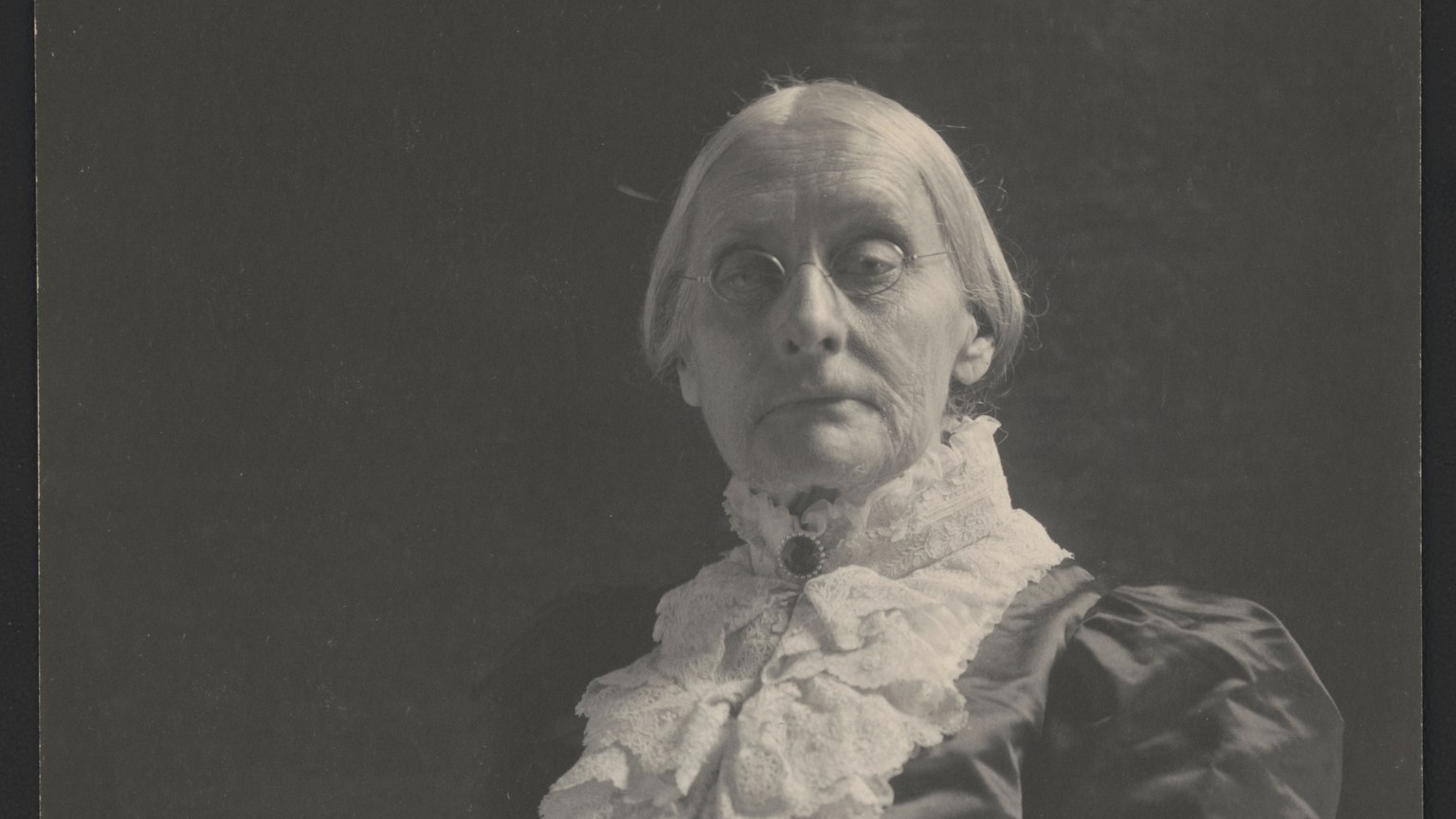
Two 2025 Naturalization Civics Test questions sit in one women’s suffrage cluster: name one leader of the women’s rights movement in the 1800s, and say when all women got the right to vote. Learn them together and you cover Q99 and Q102. The hero photo above is Susan B. Anthony — one of the accepted names for the 1800s women’s rights leader question.
Name one leader of the women’s rights movement in the 1800s
Name one leader of the women’s rights movement in the 1800s? You only need one. Accepted answers include:
- Susan B. Anthony
- Elizabeth Cady Stanton
- Sojourner Truth
- Harriet Tubman
- Lucretia Mott
- Lucy Stone
A short safe pick many applicants use: Susan B. Anthony.
When did all women get the right to vote?
When did all women get the right to vote? Accepted answers:
- 1920
- After World War I
- (With the) 19th Amendment
Any one is enough. Short safe picks: 1920, after World War I, or with the 19th Amendment.
Tip: on test day, say one clear accepted phrase — not a long lecture about suffrage history.
How this shows up on test day
Think in a short chain:
- One women’s rights leader in the 1800s? → Susan B. Anthony (or another accepted name above)
- When did all women get the right to vote? → 1920 / After World War I / (With the) 19th Amendment
That pattern covers Q99 and Q102. Q99 sits in the 1800s history block; Q102 sits in Recent American History right after World War I — so drill both when you review voting rights over time.
Nearby history worth linking
If you are drilling voting and rights history, also review:
- Rights and responsibilities of U.S. citizens — voting amendments and who can vote (Q63–Q64)
- Martin Luther King Jr. and the civil rights movement — later struggle for equal rights (Q112–Q113)
- When all men got the right to vote (Q98) — accepted ideas include after the Civil War, during Reconstruction, (with the) 15th Amendment, and 1870
Study tip: remember the pair — Anthony (or another 1800s leader) for the movement, and 1920 / 19th Amendment / after World War I for when all women could vote nationwide.
Your civics test has not changed
This is an evergreen study post, not a USCIS policy alert. Newsroom items and form updates do not rewrite these suffrage answers. The 2025 Naturalization Civics Test remains a 128-question bank; up to 20 questions at the interview; 12 correct to pass, for Form N-400 filed on or after October 20, 2025. Which version you take still follows your filing date — see Which civics test: 2008 vs 2025 and official USCIS Check for Test Updates.
Study these related questions
- American History — 1800s — Q99 in context
- Recent American History — Q102 after World War I
- Free scored practice test — drill women’s rights leaders and the 19th Amendment until the answers feel automatic
- Browse the full question list when you want one topic at a time
Tip: if the officer asks for one leader of the women’s rights movement in the 1800s, say Susan B. Anthony (or another accepted name). If they ask when all women got the right to vote, say 1920, after World War I, or with the 19th Amendment.
This post summarizes public USCIS civics materials for educational study. It is not legal advice.