USCIS Restores Nonprofit Voter Registration at Naturalization Ceremonies
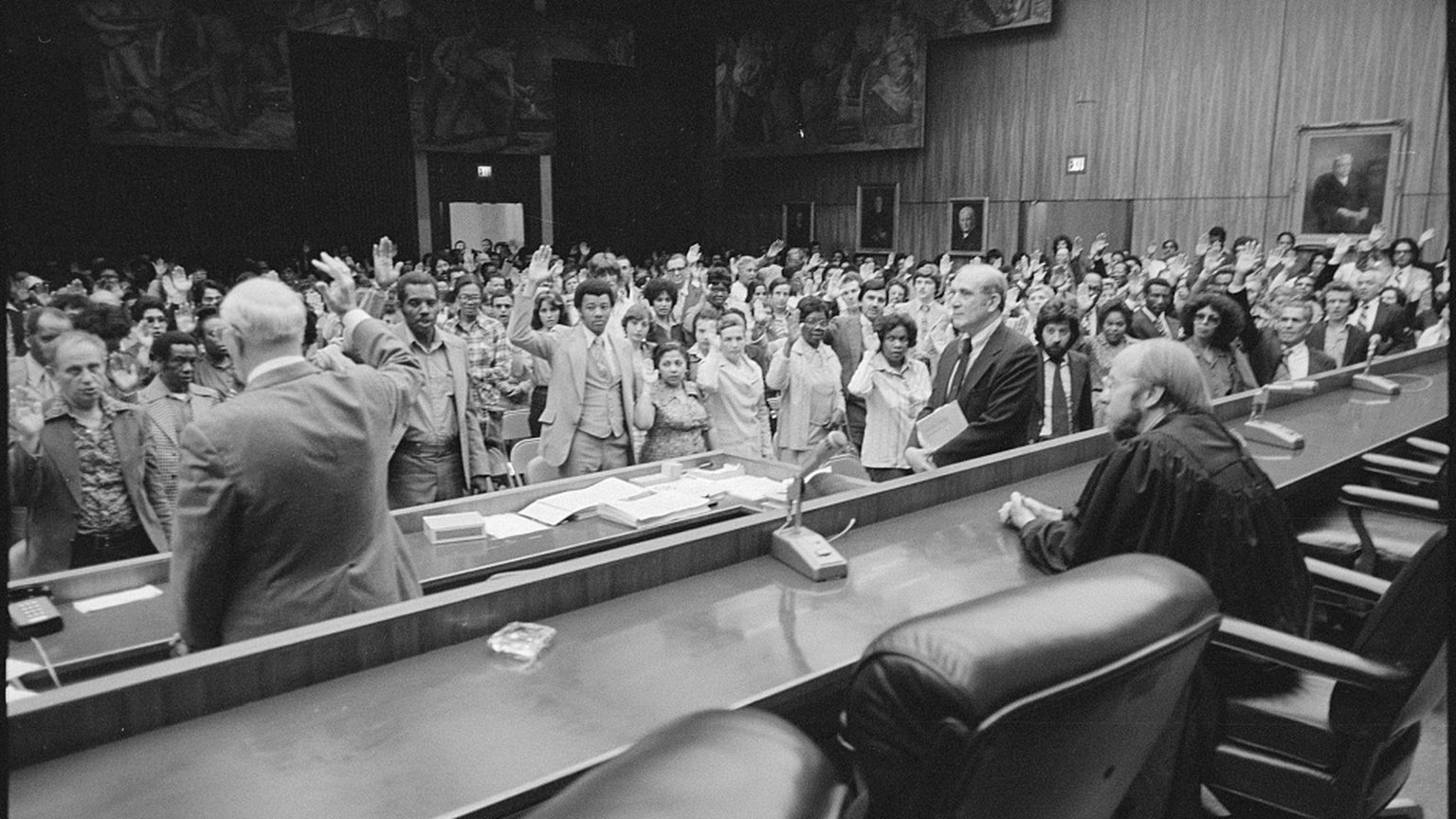
On August 31, 2026, U.S. Citizenship and Immigration Services (USCIS) published Policy Alert PA-2026-11 , Non-Governmental, Nonpartisan Organization Voter Registration Services at Administrative Naturalization Ceremonies. The update rescinds the August 29, 2025 policy (PA-2025-21) and restores Policy Manual guidance that lets nonprofit, nonpartisan non-governmental organizations help new citizens register to vote right after an administrative oath ceremony — when state or local election offices are not there to do it.
Why USCIS changed course
On August 3, 2026, the U.S. District Court for the District of Maryland stayed PA-2025-21 pending resolution of a legal challenge (League of Women Voters v. USCIS). The court also ordered USCIS to reinstate the Policy Manual sections that were in effect on June 28, 2017. USCIS issued a temporary revert on August 12, 2026 (PA-2026-08), then published PA-2026-11 to lock in the restored approach. The guidance is effective immediately and lives in Volume 12, Part J, Chapter 5 of the Policy Manual.
What the restored policy allows
Per PA-2026-11, non-governmental organizations may:
- Request to attend administrative naturalization ceremonies to provide voter registration services
- Distribute, review, and help people complete voter registration forms
- Officially register new citizens to vote immediately after the ceremony when election offices are unavailable
Organizations must submit written requests to local USCIS offices at least 60 days before an event. They may not alter completed voter registration materials or collect/retain personal information of people who sign up at the ceremony. USCIS can revoke participation if an organization breaks the rules.
What this does not change
This is about optional civic help after the oath, not about the English or civics tests. Your study plan for the 2025 Naturalization Civics Test (128-question bank; 20 asked; 12 correct to pass for N-400s filed on or after October 20, 2025) is unchanged. Voting rights questions on the civics test still matter — for example, amendments about who can vote, and who can vote in federal elections — but PA-2026-11 does not rewrite those answers.
Why it matters for people studying for citizenship
Passing the interview gets you to the ceremony. After you take the Oath of Allegiance, registering to vote is one of the practical next steps many new citizens take. Knowing that approved nonpartisan groups may offer registration help at some ceremonies is useful context — and it ties directly to civics topics on rights and responsibilities of citizens.
Official sources: PA-2026-11 (PDF) , USCIS Policy Manual updates , and 12 USCIS-PM J.5 .
Study these related questions
- Rights and Responsibilities — voting amendments and citizen rights/duties
- Oath of Allegiance — promises new citizens make at the ceremony
- Principles of American Government — Constitution basics that underpin voting and citizenship